



A fixed price held across a multi-year PCBA contract looks like protection, but in a volatile component market it usually just moves the risk around. A well-built adjustment clause ties price changes to a defined, documented trigger in both directions — up when costs rise, down when they fall — so neither side ends up renegotiating from scratch every time the market moves.
Why a Fixed Multi-Year Price Is Riskier Than It Looks
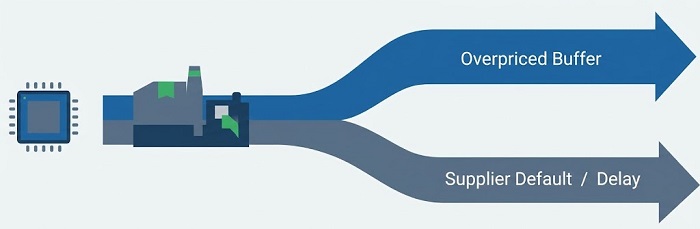
The appeal of a fixed price is obvious: a buyer can budget a program with confidence, and the number on the quote is the number on the invoice. The problem is that component cost is the part of a PCBA price that moves the most, and allocation cycles and supply shocks can shift the price of specific parts sharply within a single quarter. A supplier asked to hold one price for three years has to decide how to absorb that risk. Some will build a large cushion into the quoted price, which means the buyer pays for protection they may never use. Others will quote tightly and then look for a way out when costs spike, through delays, substitution requests, or a renegotiation the contract was supposed to make unnecessary.
Neither outcome serves the buyer well. The first overpays for certainty; the second leaves a nominally fixed price that isn't actually fixed when it matters most. An adjustment clause is a way of being honest about the risk upfront, rather than hiding it inside a number that one side will eventually resent.
What a Workable Escalation Clause Looks Like
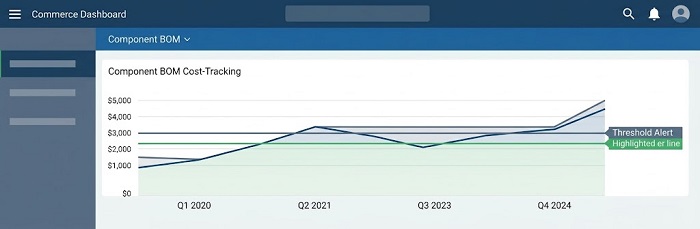
The clearest structure ties price changes to something both parties can verify, rather than to a general statement that prices may be adjusted if costs change. That might mean a named external index for a specific commodity input, or, more commonly in electronics, a defined review trigger based on the BOM itself: if the documented cost of specified components moves beyond an agreed threshold, a price review is triggered, with the supplier required to show the actual purchase prices behind the request.
A few elements make the difference between a clause that works and one that just creates a new argument. A threshold keeps small, routine fluctuations from triggering constant reviews. A cap or collar limits how far prices can move in a single adjustment period. A documentation requirement means the supplier has to show distributor invoices or quotes for the parts in question, not just assert that costs went up. It also helps to settle who chooses the sourcing channel, since some suppliers will purchase from the buyer's own recommended channels rather than only their default distributors, and that changes which prices a review should actually be based on. And a defined notice period gives the buyer time to react, whether that means accepting the change, looking at alternatives, or lining up alternates, such as second-sourcing common passive components where that's practical.
The Half Most Buyers Forget: De-Escalation
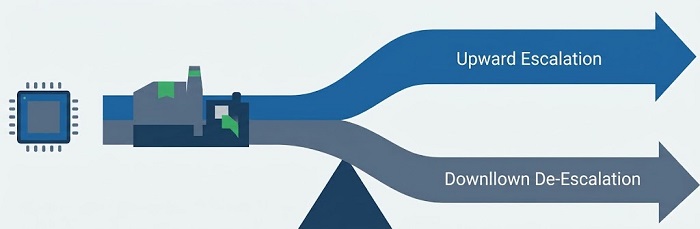
A clause that only moves prices upward isn't an adjustment mechanism; it's a one-way ratchet. Component prices fall as well as rise, particularly after an allocation period eases, and a buyer locked into prices set at the peak of a shortage is paying for conditions that no longer exist. De-escalation language, which triggers a price review downward when documented costs drop by a comparable threshold, is the natural counterpart to escalation.
Suppliers rarely offer it unprompted, which is understandable: it isn't in their interest to volunteer a mechanism that lowers their revenue. That's exactly why a buyer has to ask for it explicitly, and why it's reasonable to frame the request as symmetry rather than a concession. If the supplier is entitled to pass cost increases through, it's fair for cost decreases to flow the other way under the same conditions. Many suppliers will accept the principle even if they negotiate the thresholds and timing.
Where These Clauses Tend to Go Wrong
The most common failure is vagueness. A clause that says prices may be adjusted "to reflect material cost changes" without defining a threshold, a documentation standard, or a notice period isn't really a mechanism at all; it's an invitation to renegotiate on demand. The second is applying a clause to the whole BOM when only a handful of parts are genuinely volatile. Tying the trigger to the specific, historically unstable line items, rather than every resistor and capacitor on the board, keeps the mechanism focused on where the real risk sits.
It's also worth remembering what a clause cannot do. It can make a price adjustment more orderly, but it cannot prevent a shortage, and it doesn't replace practical risk management such as approving alternates in advance. The clause governs who pays when costs move; it doesn't change the fact that they moved.
One habit makes any clause more useful in practice: schedule the review rather than waiting for a trigger. A quick look at the flagged components every quarter, even when nothing has crossed the threshold, means a price movement is never a surprise when it does arrive. It also keeps the conversation routine rather than adversarial, since both sides are looking at the same data on a regular cadence instead of arguing over a one-off request made under pressure.
A Note on the Legal Side of This
None of the above is legal or financial advice. How an adjustment clause should be worded, and whether specific language is enforceable in a given jurisdiction, is a question for a buyer's own legal counsel. This article is meant to explain the commercial logic, not to supply contract language.
FAQs
1.Should a clause cover the whole BOM or only certain components? Usually only the historically volatile line items — a narrower trigger is easier to administer and harder to dispute.
2.Is a price cap on increases realistic to ask for? Often yes, though a supplier may want a wider cap or a longer adjustment period in return.
3.What documentation is reasonable to require before accepting an increase? Distributor quotes or invoices for the affected parts, dated close to the review period.
4.Does an escalation clause make sense for a short, one-year agreement? Less so — the shorter the term, the less a fixed price exposes either side to large market swings.
5.Can a buyer reject a proposed adjustment even when the trigger is met? That depends on the wording, which is why the clause should state clearly whether a review is binding or only the start of a negotiation.
Helpful Resources
•Factors That Influence Prices for PCB Manufacturing and Assembly
If you're weighing a multi-year price with any supplier, the adjustment terms are worth raising while the first quote is still being discussed, and a detailed BOM makes it much easier to see which components deserve a trigger. PCBCart's assembly quote page is where a BOM-based quote request starts.


