



High-mix, low-to-medium volume electronics manufacturing projects present a unique set of challenges that demand a specialized skill set from your Electronic Manufacturing Services (EMS) provider. Unlike high-volume, standardized production, high-mix projects involve frequent product changeovers, diverse component requirements, complex assembly processes, and the need for flexible production workflows. Choosing an EMS partner ill-equipped to handle these nuances can lead to costly delays, compromised quality, missed deadlines, and even lost intellectual property.
The success of your high-mix project hinges on selecting an EMS provider that not only has the technical capabilities but also the operational agility, supply chain resilience, and quality control frameworks tailored to the demands of diverse production runs. To ensure you align with a partner that can turn your complex project goals into reality, asking the right questions upfront is non-negotiable. Below are five critical questions to pose to your potential EMS provider before signing on for a high-mix manufacturing project, each designed to uncover their true capabilities, experience, and fit for your unique needs.
1. Do You Have Specialized Experience in Managing High-Mix Manufacturing Projects, and Can You Demonstrate Relevant Case Studies?
High-mix manufacturing is not a one-size-fits-all endeavor, and experience with standardized, high-volume production does not translate directly to success with diverse, frequently changing product lines. A reputable EMS provider for high-mix projects will have a proven track record of managing multiple product SKUs simultaneously, handling rapid changeovers on the production floor, and adapting to evolving design and assembly requirements—all while maintaining consistent quality and meeting delivery timelines.
When asking this question, look for more than just a generic affirmation. Request detailed case studies from industries similar to yours (e.g., medical devices, industrial IoT, aerospace, or consumer electronics) that involve high-mix production. These case studies should outline the specific challenges the provider overcame, such as managing a bill of materials (BOM) with hundreds of unique components, scaling between prototype and small-batch production for multiple products, or adhering to industry-specific regulatory compliance for diverse product lines.
Additionally, inquire about their production floor layout and workflow design for high-mix projects. Do they have modular production cells that allow for quick changeovers? Do they employ cross-trained technicians who can work across different product assemblies? A provider with dedicated high-mix manufacturing expertise will be able to articulate clear processes for minimizing downtime between production runs and optimizing resource allocation for diverse project needs—critical factors for keeping your high-mix project on track and on budget.
2. How Do You Manage Supply Chain Risks and Component Sourcing for Diverse High-Mix BOMs?
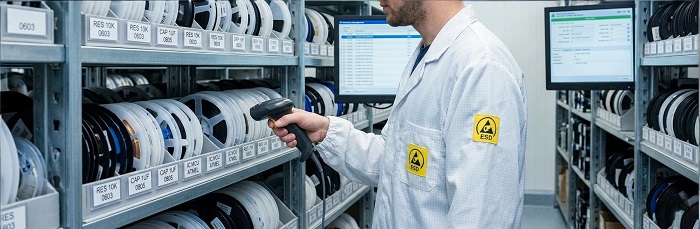
Supply chain management is the backbone of any high-mix manufacturing project, and it becomes exponentially more complex when dealing with multiple unique BOMs, each with its own set of components—some of which may be low-volume, custom, or prone to global shortages. A single component delay for one product in your high-mix portfolio can hold up your entire production schedule, making supply chain resilience a non-negotiable trait for your EMS partner.
When evaluating an EMS provider’s supply chain capabilities, dig deep into their strategies for mitigating risks specific to high-mix projects. Ask how they source components for diverse BOMs: do they maintain a diversified network of global and regional suppliers to avoid overreliance on a single source or geography? Can they identify and qualify alternate components quickly for hard-to-source parts, without compromising product performance or compliance? For custom or low-volume components, what processes do they have in place to ensure consistent lead times and quality?
Equally important is their approach to inventory management for high-mix projects. Do they use advanced demand planning and inventory tracking tools to optimize stock levels for unique components, reducing the risk of excess inventory or stockouts? Do they conduct regular BOM health checks to identify obsolete or at-risk components early in the design process, allowing for proactive design tweaks or sourcing alternatives? A strong EMS provider will integrate supply chain risk mitigation into every stage of the high-mix project—from initial design to production—ensuring that your diverse component needs are met reliably, even in a volatile global supply chain.
3. What Quality Control and Traceability Processes Do You Have in Place for High-Mix Production?
In high-mix manufacturing, maintaining consistent quality across diverse product lines is a significant challenge. Frequent changeovers increase the risk of human error, and unique assembly processes for each product demand specialized testing and inspection protocols. Moreover, many high-mix projects serve regulated industries (e.g., medical, aerospace, automotive) that require rigorous traceability of components, materials, and production steps—from raw material to finished product.
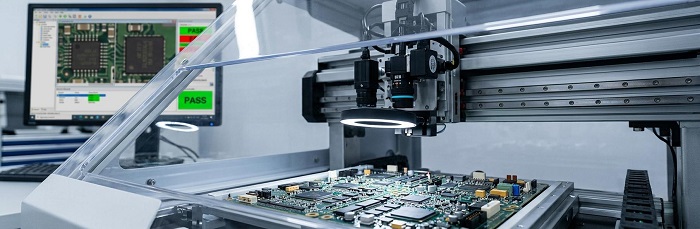
A top-tier EMS provider for high-mix projects will have a quality management system (QMS) tailored to diverse production runs, with comprehensive testing and inspection at every stage of the manufacturing process. Inquire about the specific quality control tools and processes they use: do they employ Automated Optical Inspection (AOI), In-Circuit Testing (ICT), X-ray inspection, and Functional Testing (FCT) for each unique product SKU? How do they adapt their testing protocols to the specific complexity of each assembly in your high-mix portfolio?
Traceability is equally critical. Ask how they track components and production steps for multiple products simultaneously: do they have a digital traceability system that provides end-to-end visibility into every part of the manufacturing process, including component lot numbers, production dates, and test results? Can they quickly retrieve traceability data for any product in your high-mix line, a requirement for regulatory compliance and rapid issue resolution if a quality problem arises? Additionally, verify that the provider holds relevant industry certifications—such as ISO 9001 (general manufacturing), ISO 13485 (medical devices), AS9100 (aerospace), or ITAR (defense)—and that these certifications are applied consistently across all high-mix production runs, not just standardized products.
4. How Do You Support Design for Manufacturability (DFM) and Rapid Design Revisions for High-Mix Projects?
High-mix projects often involve iterative design processes, with frequent revisions to individual product SKUs as market needs evolve or prototype testing uncovers opportunities for improvement. For these projects, your EMS provider should act as a strategic design partner, not just a manufacturer—offering expert Design for Manufacturability (DFM) and Design for Testability (DFT) feedback early in the design process to optimize each product for efficient, cost-effective production within a high-mix workflow.
Ask your potential EMS provider about their DFM/DFT support for high-mix projects: do they assign a dedicated engineering team to collaborate with your design team from the initial concept stage? Can they provide feedback on how to simplify assembly processes, reduce component complexity, or standardize common parts across your high-mix product line—all while preserving product performance? This collaboration is critical for minimizing production costs and downtime in high-mix manufacturing, as it ensures that each product is designed to be assembled efficiently alongside other SKUs on the same production floor.
Also, inquire about their process for handling rapid design revisions—a common occurrence in high-mix projects. How quickly can they adapt their production plans, testing protocols, and BOMs to accommodate a design change for one product in your portfolio? Do they have a streamlined change order process that minimizes delays and ensures clear communication between your team and theirs? A responsive EMS provider will have flexible engineering and production processes that allow for agile design revisions, ensuring that your high-mix project can adapt to market changes without sacrificing speed or quality.
5. How Do You Protect Intellectual Property (IP) for Diverse High-Mix Product Lines, and What Cybersecurity Protocols Do You Have in Place?
High-mix projects often involve multiple proprietary product designs, each with its own unique intellectual property—from schematics and firmware to custom component designs and assembly processes. Entrusting these sensitive assets to an EMS provider requires absolute confidence in their IP protection and cybersecurity measures, as a single IP breach can compromise your entire product portfolio and give competitors an unfair advantage.
Start by asking about the provider’s formal IP protection policies: do they require non-disclosure agreements (NDAs) for all team members, including engineers, production technicians, and supply chain staff? Do they operate a paperless manufacturing environment to prevent physical theft of design files or BOMs? For projects serving regulated industries, do they adhere to additional IP protection standards, such as ITAR for defense-related products?
Cybersecurity is equally important in today’s digital manufacturing landscape, where design files, production data, and BOMs are shared and stored electronically. Inquire about the provider’s cybersecurity protocols: do they use multi-layered security controls, including firewalls, intrusion detection systems, and encrypted data transfer for all digital assets? Do they employ role-based access control, ensuring that only authorized personnel can access sensitive design and production data for your high-mix product line? Do they maintain audit trails for all digital asset access and modifications, providing full visibility into how your IP is being managed?
A reputable EMS provider will view IP protection as a core responsibility, with robust policies and technologies in place to safeguard your diverse high-mix product designs at every stage of the manufacturing process—from initial design collaboration to final production and delivery.
Choosing the Right Partner for Your High-Mix Success
Selecting an EMS provider for a high-mix project is about more than just finding a manufacturer with the right equipment or production capacity—it’s about aligning with a strategic partner that understands the unique challenges of diverse production runs and has the experience, processes, and agility to overcome them. By asking the five questions above, you can cut through marketing claims and uncover the true capabilities of potential EMS providers, ensuring that you choose a partner that can deliver consistent quality, on-time delivery, and reliable support for your high-mix manufacturing goals.
For businesses seeking a seamless end-to-end solution for their high-mix electronics projects, PCBCart stands as a trusted partner that combines deep expertise in high-mix manufacturing with comprehensive PCB design, assembly, testing, and supply chain services. With a focus on operational agility, rigorous quality control, and uncompromising IP protection, PCBCart is engineered to meet the unique demands of high-mix projects across all industries—from prototyping and small-batch production to scalable high-mix manufacturing. Whether you’re managing a portfolio of diverse electronic products or launching a complex high-mix project, PCBCart’s tailored solutions and customer-centric approach ensure that your project is delivered on time, on budget, and to the highest quality standards.
Helpful Resources
• Some Handy Methods in Evaluating SMT Assembler's Capabilities
• 6 Effective Ways to Cut PCB Assembly Cost Without Sacrificing Quality
• PCB Design File Requirements for Quick PCB Assembly Quote and Production
• How to Get Precise Quote for Your Electronics Manufacturing Requirements
• Advanced PCB Assembly Service


