



What Is PCB Kitting, and Why Does It Matter?
Kitting is the check that happens between components arriving and the SMT line starting — matching what's physically on hand against the BOM, the CPL (component placement list), the assembly drawing, and the quantities needed. It matters because a kitting problem caught before production costs a phone call. The same problem caught after the line starts costs a stopped run, wasted setup time, and a rescheduled slot.
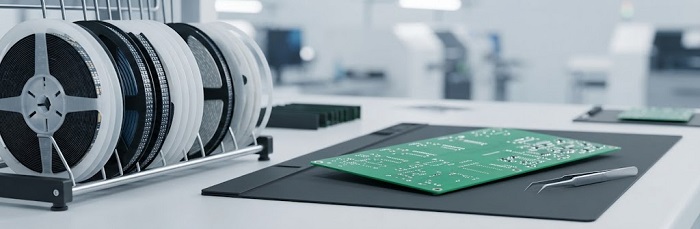
What Actually Gets Checked During Kitting
• Part number match — does the physical label match what the BOM specifies, not just a visually similar part?
• Package and footprint match — does the component package match the CPL and PCB footprint, including any revision changes since the last order?
• Quantity — enough units on hand for the full run, plus the standard attrition allowance for SMT placement?
• Approval status — is a substitute part actually approved for this specific build, or just electrically similar?
• Availability — is the stock genuinely free for this order, or reserved for something else?

Where Kitting Problems Actually Come From
The two most common failure points aren't exotic — they're shortages and substitutions. A kit can look complete on a packing list and still be short units once attrition is accounted for. A part can carry the right part number on paper but arrive with an updated footprint that doesn't match an older CPL. A "close enough" substitute component can slip through if nobody checks it against the approved parts list for that specific build.
This is exactly the kind of gap a free DFM check is meant to catch on the design side — but kitting is the equivalent check on the materials side, and it needs to happen separately, not be assumed to be covered by DFM alone.
Turnkey vs. Consigned: Who's Actually Doing the Kitting?
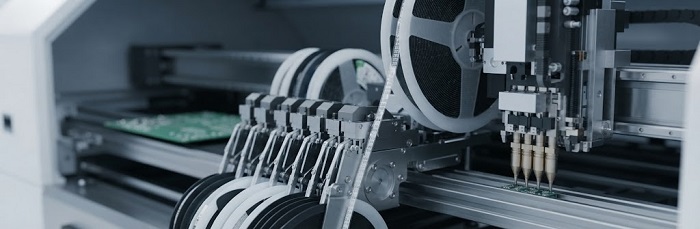
Who owns kitting depends on the assembly model. In a full turnkey order, the assembler sources and kits everything, so the verification happens entirely on their side before production. In a consigned order, the customer supplies some or all components, which means the kitting check becomes a handoff point — the assembler still needs to verify what arrives against the BOM and CPL before committing it to the line, even though sourcing wasn't their responsibility. For a full breakdown of how responsibility splits between the two models, see Turnkey vs. Consigned: Choosing the Right Assembly Model.
Why This Matters More for HMLV / Repeat Orders

On a one-off single-design run, a kitting mismatch is a one-time headache. On HMLV production with multiple active designs and repeat orders, the same mismatch pattern can recur silently — a substitute approved for one build gets assumed valid for a similar but different build, or a component reserved for one project gets pulled for another. Consistent, per-order kitting verification (not just a one-time check the first time a design runs) is what actually prevents this from becoming a recurring problem rather than a one-off.
FAQ
Does kitting apply to full turnkey orders, or only consigned ones?
Both. In turnkey orders the assembler sources and kits the parts themselves, so the verification step still happens — it's just entirely internal rather than involving a customer handoff.
What information does a supplier need to kit an order accurately?
An accurate BOM, a current CPL, the assembly drawing, and the target quantity with attrition included. If any of these are out of date relative to the actual design revision, that's usually where mismatches start. See How to Create a BOM for what a complete BOM needs to include.
What happens if a kitting issue is found after production has started?
It typically means stopping the line, sourcing or correcting the affected component, and rescheduling — all of which cost more time and money than catching the same issue during kit review. This is the core reason kitting verification happens as a distinct step rather than being assumed as part of general order processing.
Helpful Resources
• How to Create a BOM (Bill of Materials)
• Turnkey vs. Consigned: Choosing the Right Assembly Model for Your Project
Ready to order and want kitting handled for you? Get a PCB assembly quote and let our team verify your BOM and components before production.


